Server colocation, rack space and cloud hosting for business workloads

Rack space planning

Plan rack space before you move a single server

Rack space is for organisations that need a better place to run their own physical servers. Before you move equipment, Colo ICC helps you discuss the practical details: what you want to place, how it should connect, and which data centre location should be reviewed first.

  • Server count and equipment type
  • Size and power expectation
  • Connectivity and preferred location
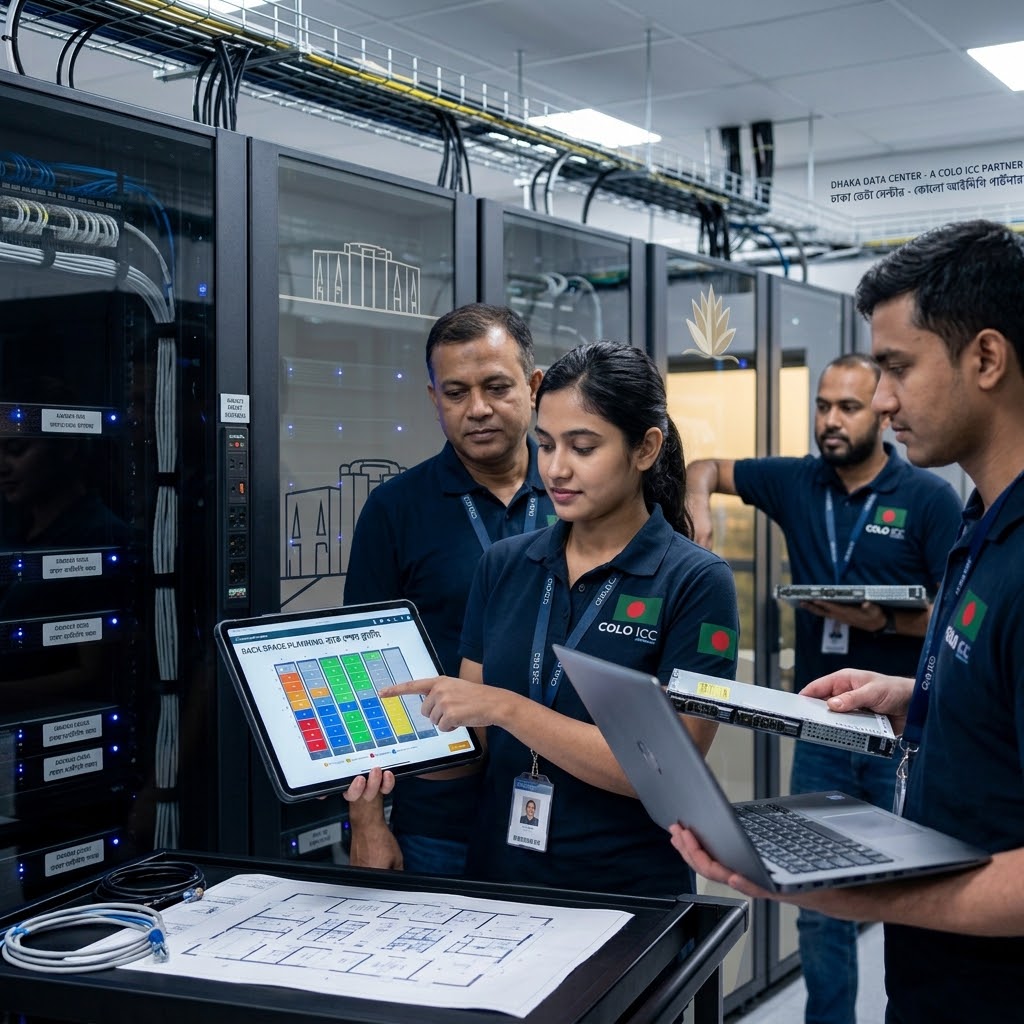
Rack space planning for physical servers at Colo ICC
Planning starts with your equipment Rack space, connectivity and location are discussed from the server details outward.
What rack space means

A place to run your own servers, with the fit checked first

Rack space is not a cloud server package. It is a colocation discussion for physical equipment you own, where the practical fit, connection path and support expectations need to be reviewed before anything is scheduled.

Your equipment stays yours

You are discussing space for servers, firewalls, storage or network appliances that your organisation owns and manages as part of its infrastructure.

The physical fit matters

Server count, size, grouping and power expectation shape the rack-space conversation, so those details should be shared before planning a move.

Connectivity is part of the decision

Rack space planning should include who needs access to the servers, what connectivity is expected and whether cloud or hosting is a better fit for part of the workload.

Colo ICC does not publish fixed rack-space sizes, prices or live availability on this static page. Send the server details first so the team can confirm what is practical for your requirement.

Common rack space scenarios

Recognise the type of rack-space conversation you need

Your enquiry does not need to start with a finished specification. Use these scenarios to describe the move you are considering, then Colo ICC can guide the next discussion.

A few owned servers

When one or several business servers need to leave an office, store room or small server corner and move into a more suitable rack-space discussion.

Discuss This

Grouped equipment

When servers, storage, firewall or network appliances need to be planned together so placement, cabling and access expectations can be discussed clearly.

Discuss This

Office-to-colocation move

When existing infrastructure has outgrown the office environment and the move needs to be discussed around timing, access, location and network continuity.

Discuss This

Hybrid with cloud or hosting

When some systems may remain on physical servers while other workloads could be better discussed as cloud servers or hosting instead of rack space.

Discuss This
Rack space infrastructure planning for Colo ICC
Space, power and connectivity

The useful technical questions come before the final rack-space plan

A good rack-space enquiry gives Colo ICC enough context to check the practical fit. You do not need to write a full design document, but you should be ready to explain the equipment, the expected operating needs and how people or systems will connect.

  • Physical size, server count and equipment that should be placed together.
  • Power expectations and any known placement concerns from your existing setup.
  • Connectivity, access and support expectations after the equipment is placed.
Discuss Technical Needs
Location preference

Choose the location conversation before planning the move

Rack-space planning becomes easier when Colo ICC knows which location you want to discuss first. Your choice may depend on where your team works, who needs physical access, and which users or systems will connect to the equipment.

These names are discussion starting points only. This page does not publish facility addresses or confirm current rack-space availability.

Locations you can ask Colo ICC about

Mention your preferred location with your server count, size, power expectation and connectivity needs so the discussion can stay practical.

Ask About Locations
Rack space or wider colocation?

Use rack space as the starting point, then check the wider operational needs

Rack space is usually the first thing people ask for when they have physical servers to place. The wider colocation conversation may also need to cover connectivity, access, support coordination and whether some workloads should move to cloud or hosting instead.

Start with what you own and what the workload needs. Colo ICC can then help you decide whether the conversation is simple rack space, wider colocation planning or a cloud alternative.

Ask for rack space when...

  • You already own the servers or appliances.
  • You need to discuss where the equipment can be placed.
  • You can describe the size, count, power expectation and location preference.
Discuss rack space

Discuss colocation when...

  • The move includes access, connectivity and support expectations.
  • Your team needs to compare locations before placing equipment.
  • The server move needs planning beyond the physical rack position.
Review colocation

Consider cloud or hosting when...

  • You do not want to move or manage physical hardware.
  • The workload needs a faster starting point.
  • A hosted server or website platform may fit better than rack space.
Compare cloud options
Rack space questions

Answers that help you prepare a better enquiry

Rack-space planning depends on the equipment and the way it will be used. These answers help you send Colo ICC the right information before asking for a practical discussion.
Rack space questions illustration

Send the number of servers or appliances, physical size, expected power needs, preferred location and how users or systems need to connect after placement.

Ready to send the server details? Contact Us
Ready to discuss rack space?

Send the server details before you plan the move

Share your equipment list, preferred location and connectivity needs. Colo ICC can then guide the next conversation around colocation, rack space or cloud servers.

Useful details to send
  • How many servers you want to place
  • Equipment size and expected power needs
  • Preferred location name, if you have one
  • Network, access and support expectations